
Hidden Heading
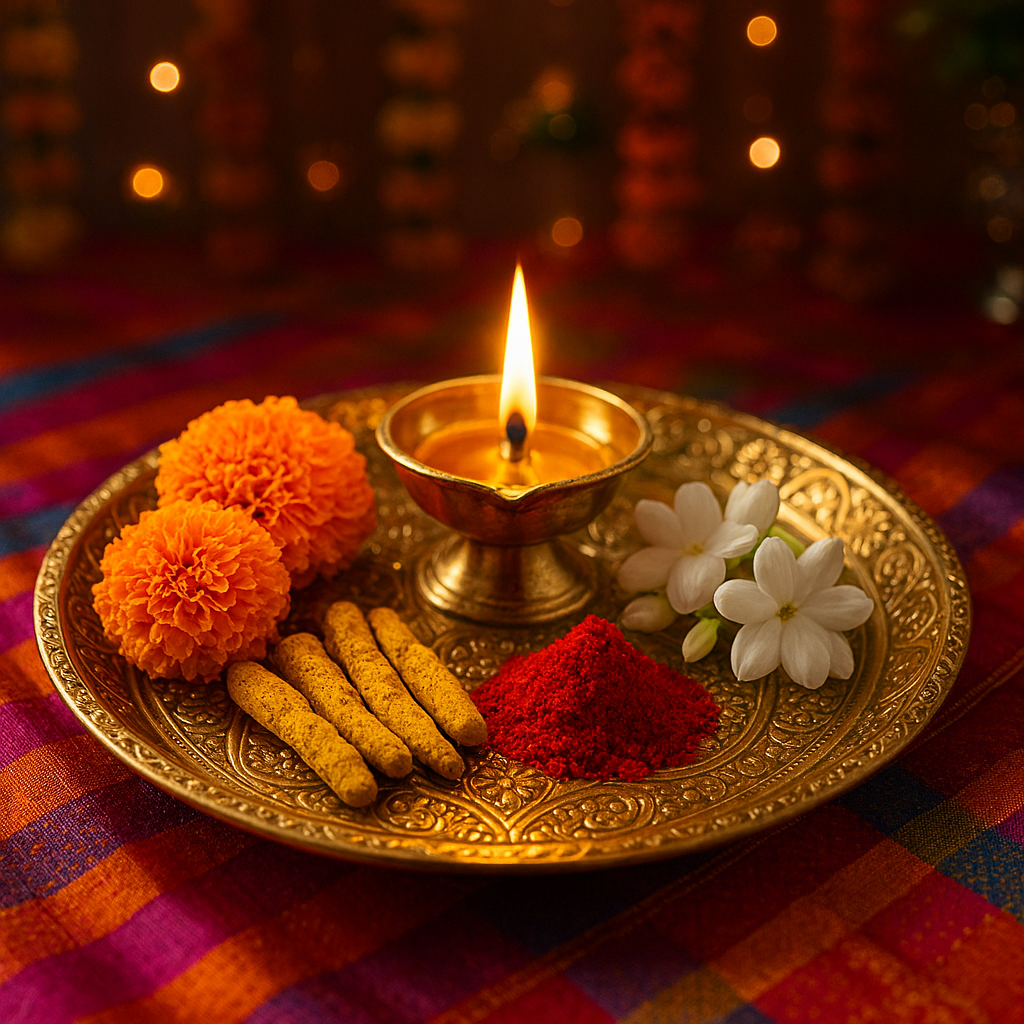
Turmeric (haldi in Hindi, manjal in Tamil) is not just a kitchen spice—it is a sacred element deeply woven into the spiritual and cultural fabric of Hinduism. Among its many forms, turmeric sticks hold a special place in rituals, symbolising purity, prosperity, and divine protection. From ancient Vedic traditions to modern-day ceremonies, turmeric continues to shine as a golden thread connecting generations.
Historical and Scriptural Roots
Turmeric’s reverence dates back over 4,000 years. Ancient Vedic texts such as the Rigveda and Atharvaveda describe turmeric (Haridra) as a divine plant with protective and healing powers. In yajnas (fire rituals), turmeric was offered to invoke blessings and prosperity. Ayurvedic classics like Charaka Samhita highlight its role in balancing doshas and purifying the body and mind.
Its golden hue mirrors sunlight—symbolising life, energy, and sanctity. This association with light and positivity makes turmeric an indispensable part of Hindu rituals.
Symbolism in Hindu Culture
Turmeric sticks are more than ritualistic objects—they carry profound symbolism:
- Purity and Auspiciousness: The vibrant yellow colour represents cleansing and positive energy, believed to ward off negativity.
- Prosperity and Fertility: Turmeric is linked to Goddess Lakshmi, the deity of wealth and abundance, making it essential in rituals seeking prosperity.
- Protection: Considered a spiritual shield against evil forces and the “evil eye”, turmeric is often tied to sacred threads or placed at entrances during festivals.
Role of Turmeric Sticks in Rituals
Turmeric sticks feature prominently in various Hindu ceremonies:
1. Puja Offerings
Turmeric sticks are placed in puja thalis and offered to deities as a mark of devotion and purity. They are often paired with kumkum (vermilion) to invoke divine blessings.
2. Abhishekam (Sacred Bath)
Idols of deities are bathed with turmeric paste during abhishekam, symbolising sanctity and divine grace.
3. Tilak and Kalash Decoration
Turmeric paste is applied as tilak on the forehead and used to decorate the kalash (sacred pot) during rituals, signifying auspicious beginnings.
4. Haldi Ceremony in Weddings
One of the most celebrated uses of turmeric is in the Haldi ceremony. The bride and groom are anointed with turmeric paste to purify, protect, and bless them with prosperity and fertility. This ritual also enhances skin health and radiance—a tradition backed by Ayurveda.
Health and Spiritual Benefits
Turmeric is rich in curcumin, a compound known for its anti-inflammatory and antiseptic properties. In rituals, its application is believed to:
- Purify the body and mind
- Promote spiritual focus
- Enhance skin health and glow
Modern science supports these benefits, making turmeric a perfect blend of tradition and wellness.
Modern Relevance
Despite changing lifestyles, turmeric sticks remain a cornerstone of Hindu rituals. They embody continuity of tradition while offering practical health benefits. Choosing natural turmeric sticks over synthetic alternatives is a way to honour heritage and embrace sustainability.
How to Use Turmeric Sticks Today
- Place them in your puja thali for daily worship.
- Use them in festivals and weddings for auspicious rituals.
- Prepare DIY turmeric paste for skincare and ceremonial applications.
Turmeric sticks are not just ritualistic items—they are symbols of purity, prosperity, and protection. They remind us that spirituality and wellness can coexist beautifully. By incorporating turmeric sticks into your rituals, you embrace a tradition that has stood the test of time.
Bring home the golden tradition—choose authentic turmeric sticks for your puja and ceremonies. Celebrate purity, prosperity, and positivity in every ritual.